Architecture doesn’t begin with form. It begins with matter
Margarita M.
BetterPros Designer
THE LANGUAGE OF MATERIALS
Before the first line is drawn, before a volume is shaped, there’s a decision, conscious or not, about what the building will be made of. And that choice speaks louder than any render. Because materials aren’t neutral. They carry meaning, memory, behavior. They’re not just means to an end, they are the language through which architecture communicates.
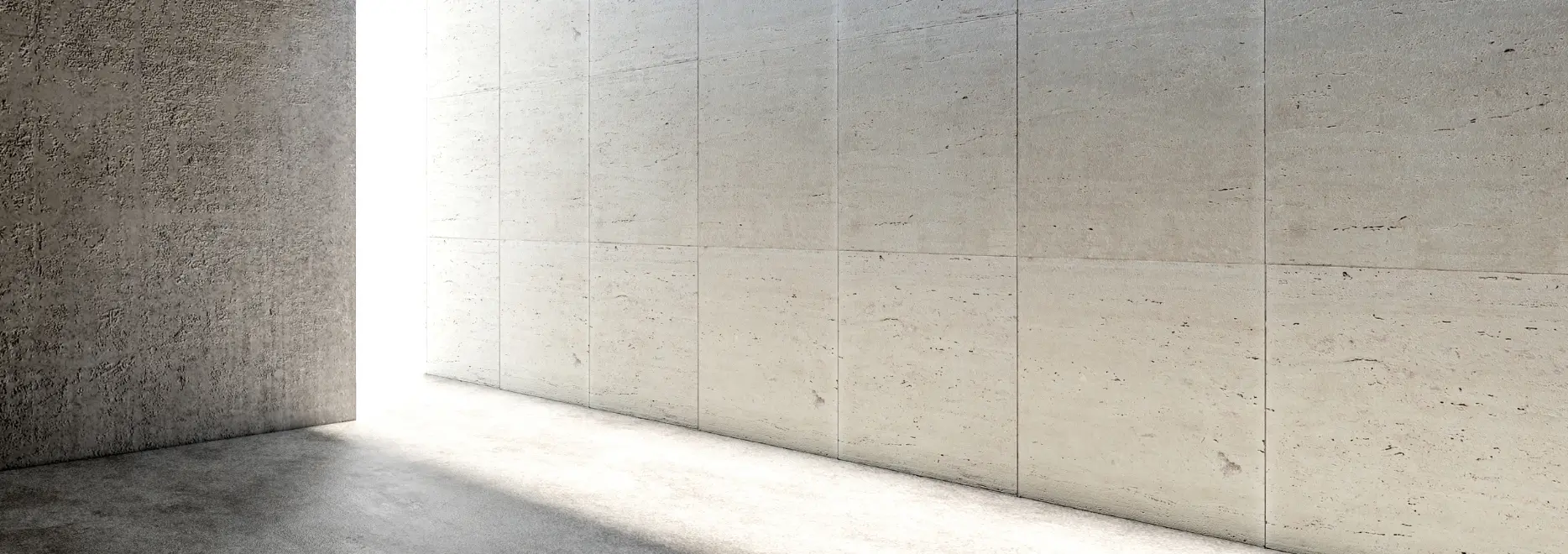
CONCRETE
Heavy with intent, offers permanence. It can bear weight, silence sound, hold heat. Brutalist to some, poetic to others, concrete is a storyteller of structure. When left exposed, it reveals its curing history, its formwork scars, the fingerprints of its making.
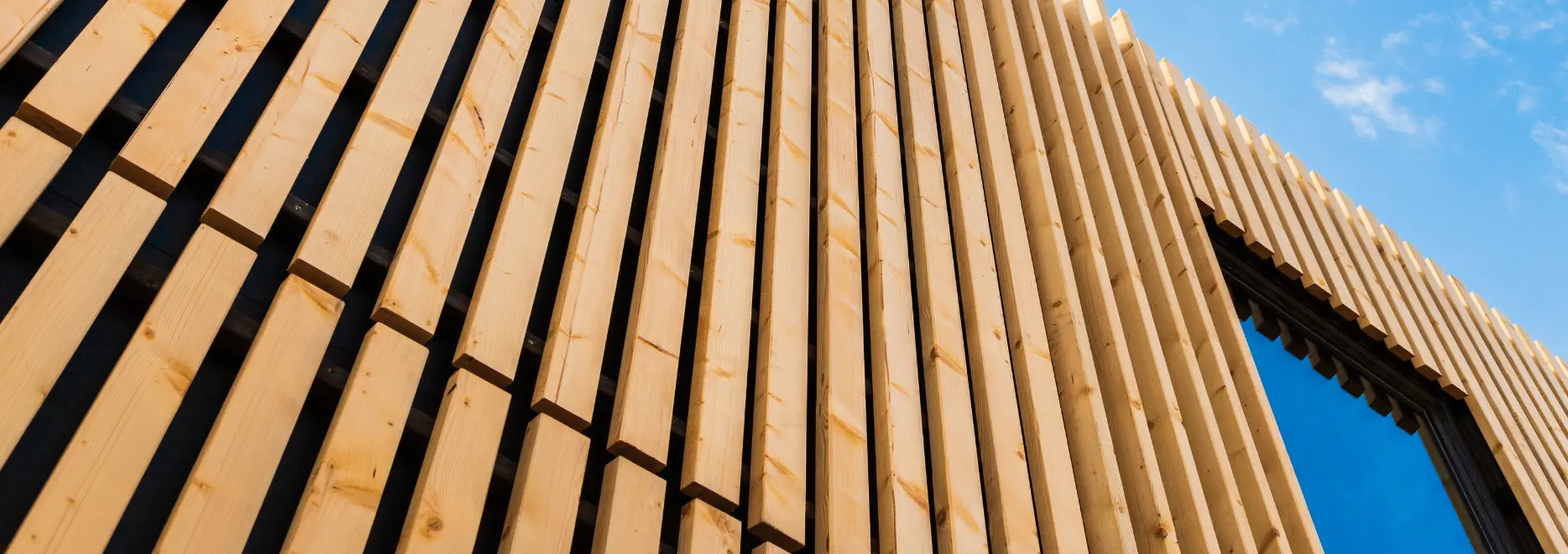
WOOD
Organic and variable, invites warmth. It creaks, it breathes, it ages. No two pieces are identical, and that irregularity is what gives timber-built spaces their soul. Wood can be humble or refined, rustic or sleek. Its patina changes with time, and in doing so, it reminds us that buildings, like people, evolve.
STEEL
Precise. Sharp. Rational. It enables bold spans and minimal footprints. It can disappear into space or frame it with intention. Cold to the touch, yet incredibly responsive, steel brings clarity to design, but also demands it. It doesn’t forgive poor detailing.
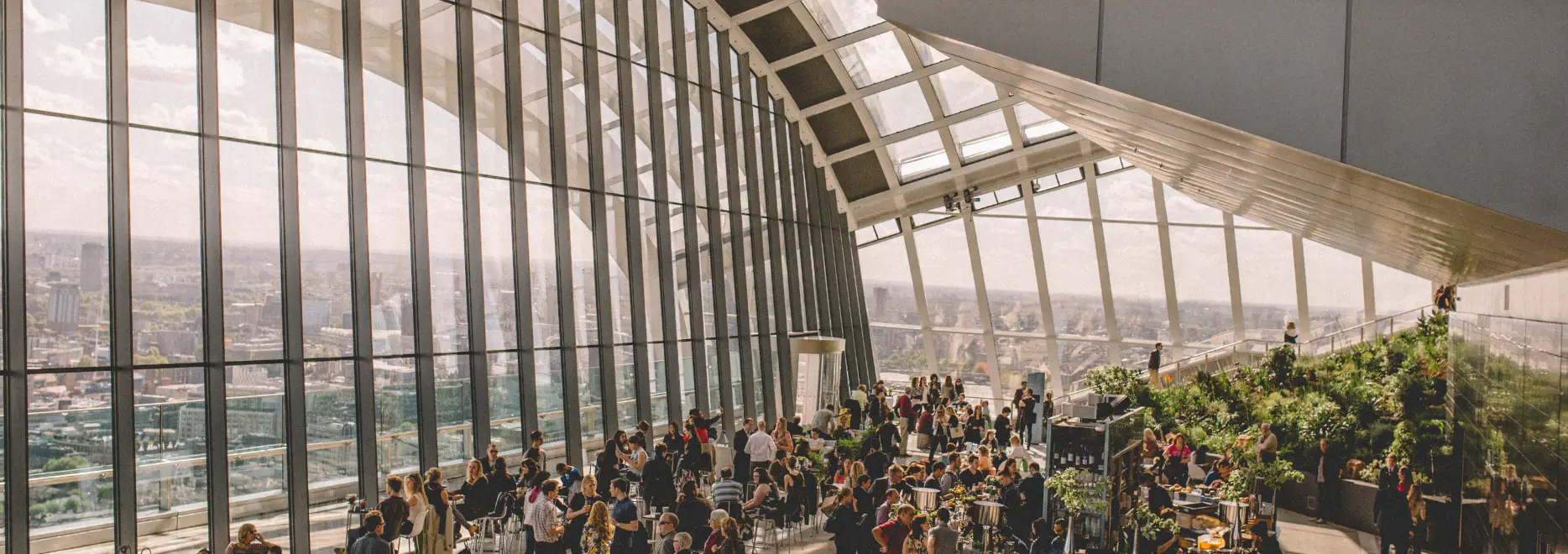
GLASS
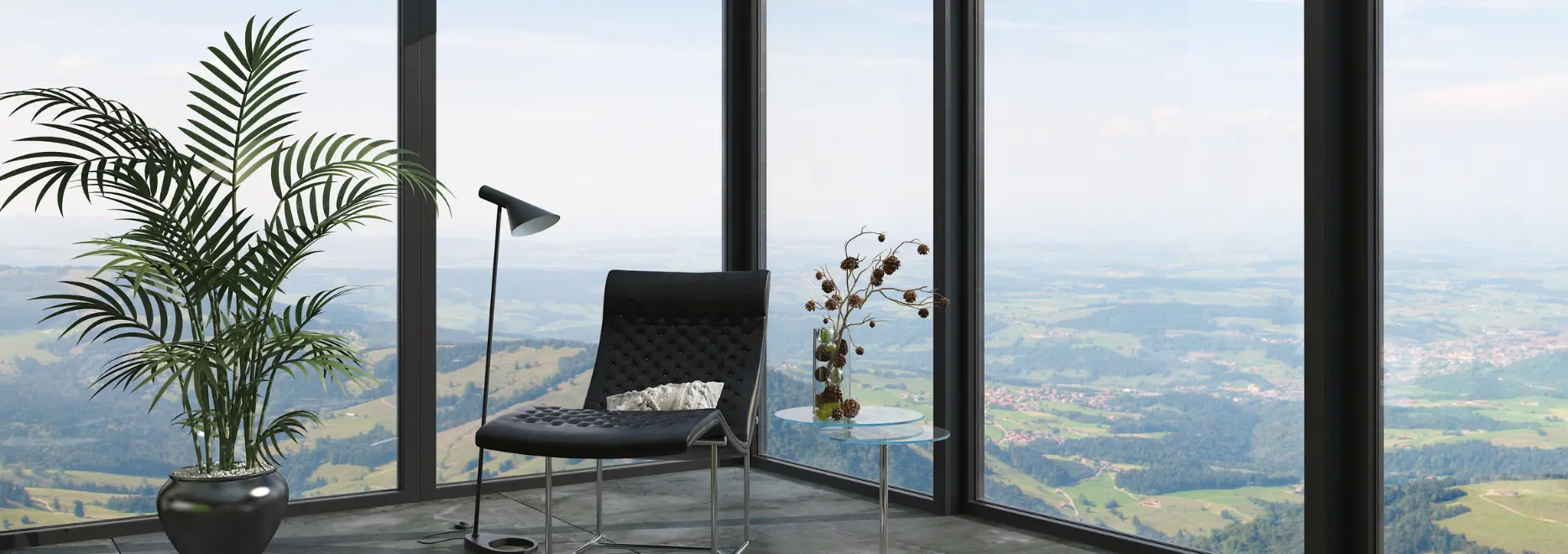
Often underestimated, is both material and absence. It frames the outside world, multiplies light, and dissolves boundaries. But it also exposes. It needs balance. Orientation. Shadow. To work with glass is to work with reflection, glare, transparency, and thermal memory all at once.
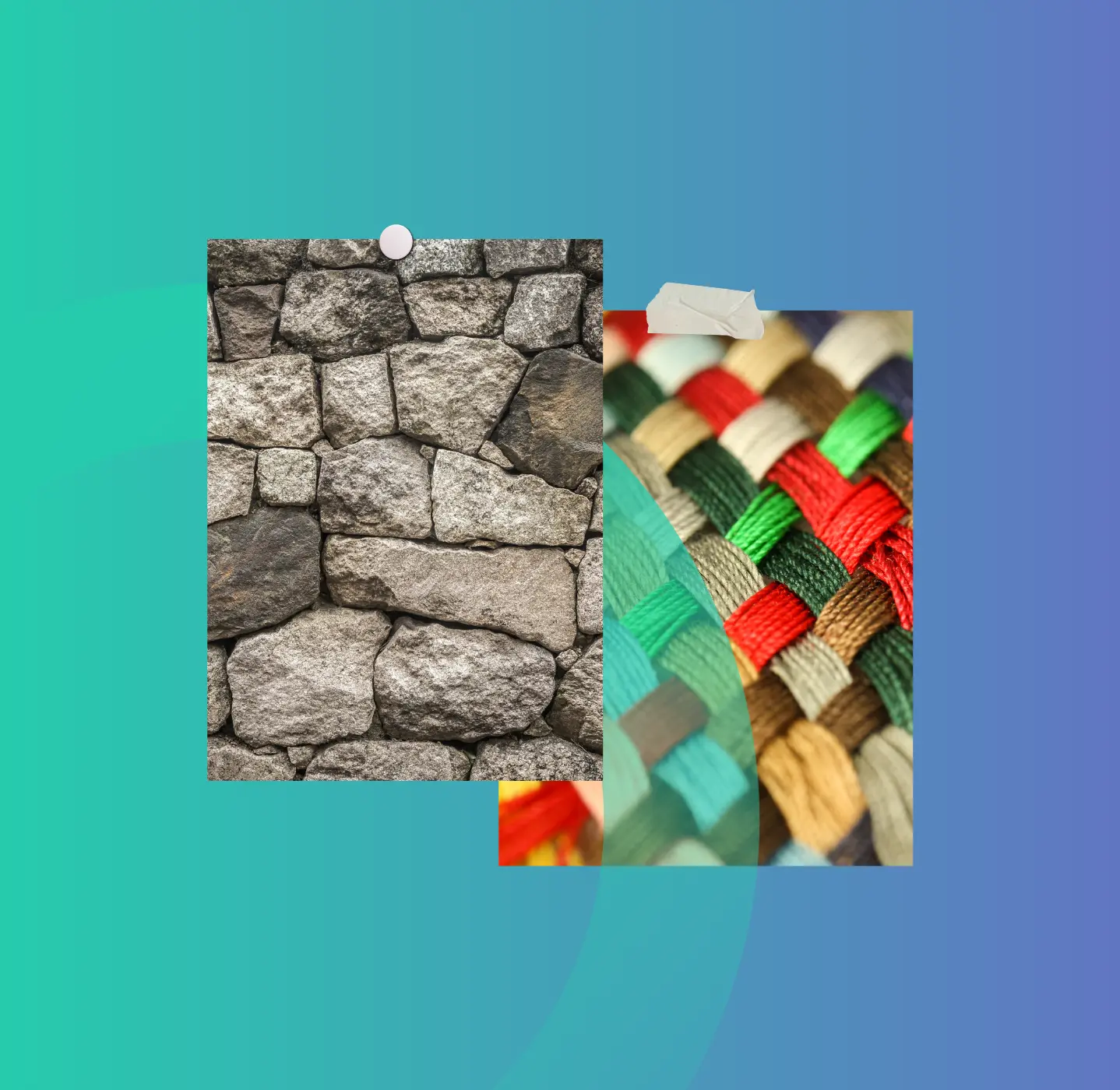
There’s also stone, ancestral and rooted. Earth, compressed and honest. Textiles, composites, polymers, recycled blends. Today, architects have access to more materials than ever before. But with that abundance comes responsibility, to choose not only based on aesthetics, but based on performance, sustainability, and emotion.
Because materials shape behavior. A rough-textured wall can slow movement. A wooden floor can invite bare feet. An acoustically absorbent ceiling can calm a child in a classroom. These aren’t incidental outcomes, they are the result of design that listens to what each material wants to be.
To work with materials is to accept collaboration with nature, time, and craft. It is to design not just with the eye, but with the hand, and with the understanding that every joint, every junction, every finish will be touched, leaned against, walked on, or remembered.
Some architects sketch before knowing their material. Others begin with a feeling, and search for the element that can carry it. But the buildings we remember are often the ones that felt like they couldn’t have been built with anything else. Where the glass, the timber, the stone, the steel, each played its part with integrity and intention.
So when we speak of great architecture, we’re not just praising design. We’re recognizing a material conversation that was well held.
Margarita M.
BetterPros Designer
About Concept Book
These articles are a curated selection of writings by our incredible professionals. They share insights into their work, interests, and perspectives on the world.
Why ‘concept book’? For us, this name perfectly reflects the project’s core: a platform for sharing ideas, expertise, and visions, a collection of concepts that transcend borders and inspire meaningful exchanges.
The professionals featured in these articles hope this book serves as an introduction to their mission of building a world where distance is an opportunity for mutual inspiration. We thank our readers for joining this journey and embracing ideas that cross oceans and cultures.
What is BetterPros?
BetterPros is a talent solutions firm connecting US companies with exceptional remote professionals in design and architecture.
Interested in knowing more about these professionals?