
Inés / Talent Pool Specialist
Spoiler alert: having a good CV is no longer enough. Today, to land a remote job, you need a strategic combination of tools that show who you are, what you can do, and how you stand out. Companies no longer look only for experience; they look for signs that you can join a remote team, solve problems from a distance, and generate real impact, no matter where you are.
In this blog, I will show you how to get a remote job. And yes, we'll talk about CVs, portfolios, LinkedIn, and what companies look for when hiring remotely. Because if you're going to play in this global game, you better know the rules.
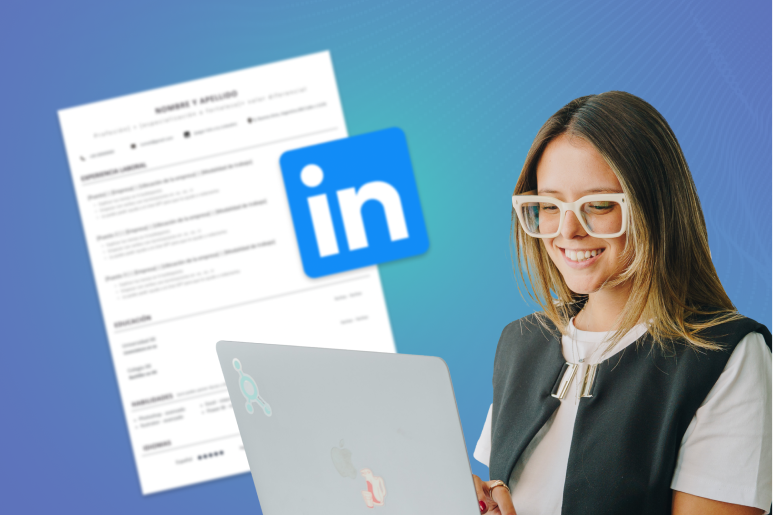
A CV for a remote job is not the same as one for an in-person role. The key is showing both your technical skills and ability to work independently and remotely.
Include digital tools: Slack, Notion, Trello, Zoom, GitHub, ClickUp, etc. Companies are looking for people who are comfortable working in collaborative digital environments. If you know innovative tools (especially those using AI), definitely add them.
Show remote experience, even a freelance project or an international collaboration. It's a big plus for employers to know you've already worked remotely; remote work isn't for everyone.
Add your LinkedIn link: if you don't have an account yet, what are you waiting for?
Keep it short, clear, and visual: one to two pages at most, with a clean and modern layout.
According to an analysis by Austin Belcak, the ideal length for your CV is between 475 and 600 words.
Tip: If you're applying to U.S.-based companies, translate your CV into English. However, make sure you use the right terms and expressions and avoid translation errors.
Having a portfolio is no longer optional if you're in creative fields, tech, marketing, UX/UI, architecture, or development. It's your visual presentation, your personal showroom.
Key takeaway: Your portfolio is not just a gallery; it's a story. It should show how you think, tackle problems, and create impact.
Still think LinkedIn is just a digital resume? Far from it. Today, it's the place to showcase your professional profile, build credibility, grow your network, and express who you are and what you care about.
Your headline is one of the most essential parts of your profile. It's the first thing people see—and one of the most powerful sections for SEO inside LinkedIn.
Example: “UX Designer | SaaS Product Specialist | 4+ Years Remote Experience” says a lot more than "Designer at X Company."
Keywords are essential:
LinkedIn works like a search engine. When a recruiter is sourcing remote candidates, they search for terms like: "remote frontend developer," "UX writer freelance," "digital marketing remote," "virtual assistant bilingual," "remote project manager," etc.
Where to use your keywords:
You can ask ChatGPT to help identify the best keywords for your profile.
Post content:
You don't have to be an influencer, but it's key to show up. Share your achievements, lessons learned, daily tools, or thoughts on your work. Talk about how you solve problems, what you've learned from projects, or the challenges you face working remotely. This builds your credibility and shows you have real value to offer.
Engage:
Comment, endorse others, and connect with people in your field. Many remote job opportunities come through recommendations and referrals.
Add remote certifications:
Include online courses, boot camps, or international workshops you've completed. These show your ability to keep learning and adapting.
Tip: Companies will check your LinkedIn profile before contacting you. This is part of the initial screening process. Make sure your profile represents you well and aligns with your needs.
This is the question I get asked most often, and as someone who works in HR at a U.S.-based company, let me give it to you straight:
Companies hiring remotely are looking for:
And yes, cultural fit still matters, even if you're not in an office. Do you align with their mission, vision, and values? Would you be a good fit for their team?
There's no magic formula, but strategy makes all the difference:
Today, you could work from home for a startup in San Francisco, an agency in Berlin, or an NGO in Australia. The key is how you present yourself. Because from the outside, they choose you based on what you communicate with every click.
Download your free remote job CV template
If you like this content, share it!

Filters
Categories
Seniority
Position